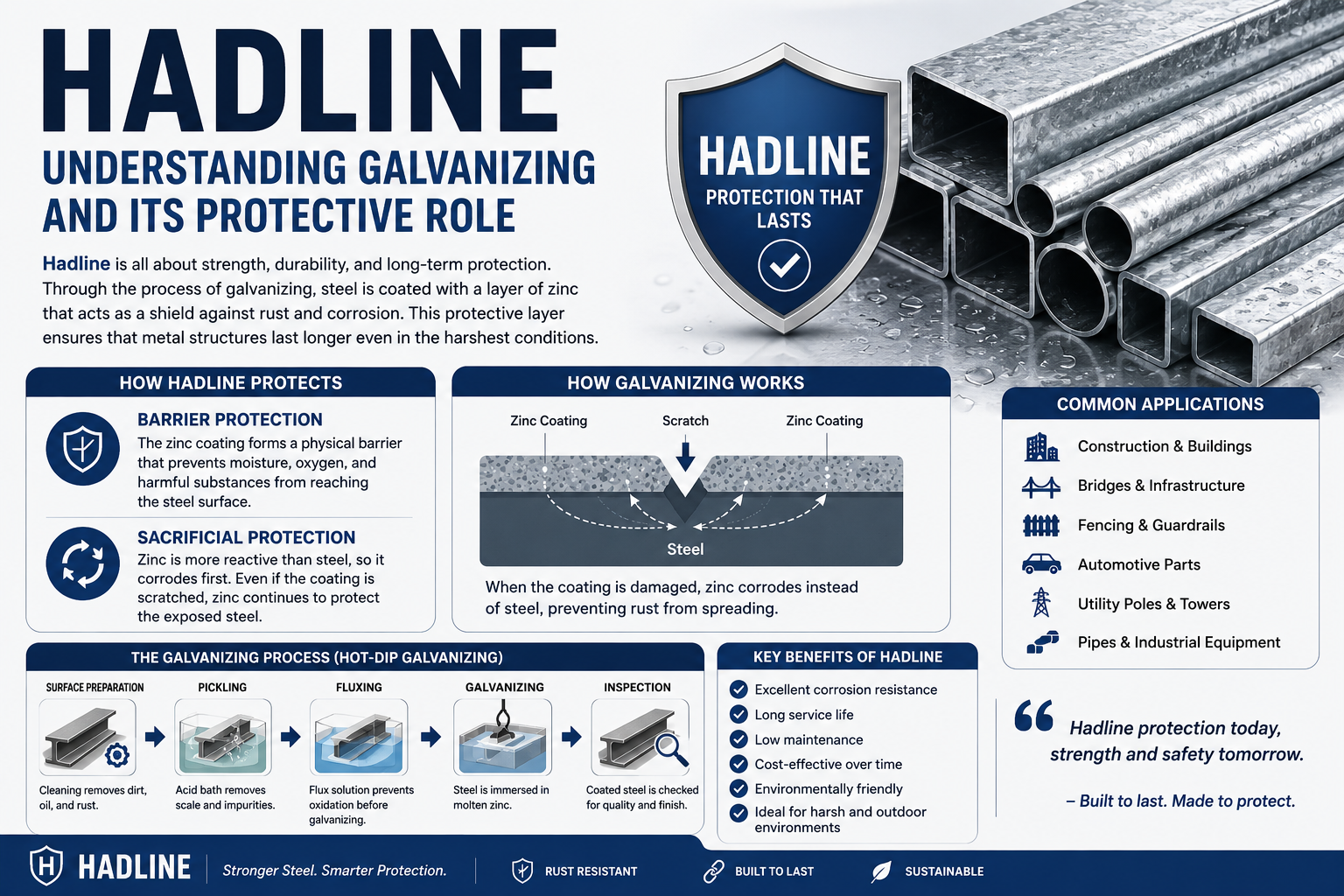
Wellcome to HAD LINE PRO
Hadline in the World of Steel Construction and Surface Protection
In the industrial and construction sectors, specialized companies handle critical processes that keep structures strong and durable for years. Hadline operates in this space as a provider focused on steel construction and related surface treatments. Based in Essen, Germany, the company addresses practical needs around metalwork and protection against corrosion through services such as galvanizing.
Understanding the role of such specialized firms helps project managers, builders, and industrial operators make informed choices. Steel remains a foundational material in buildings, bridges, machinery, and outdoor installations. Without proper treatment, it can suffer from rust and degradation. Companies like hadline contribute to extending the life and reliability of these materials through targeted expertise. This guide examines the broader context of steel construction services, the importance of galvanizing, practical considerations for selecting partners, and ways to approach projects that require durable metal solutions.
The Importance of Specialized Steel Construction Services
Steel construction involves designing, fabricating, and assembling metal components for a wide range of applications. From structural beams in commercial buildings to custom frameworks for industrial equipment, the work demands precision and knowledge of material properties. Specialized companies bring focused skills that general contractors may not maintain in-house.
These services often include cutting, welding, forming, and finishing. Quality at each stage affects the final performance of the structure. Working with experienced providers reduces the risk of issues that appear later under load or environmental stress. Reliability in delivery schedules and adherence to standards further support successful project outcomes.
Understanding Galvanizing and Its Protective Role
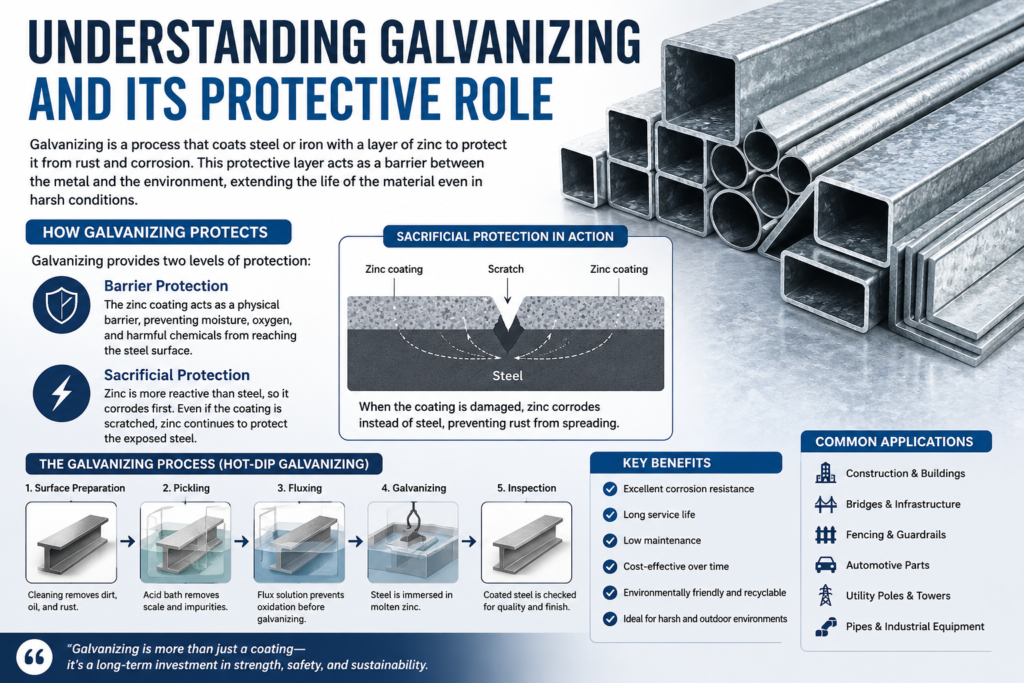
Galvanizing applies a protective zinc coating to steel or iron to prevent corrosion. The process creates a barrier that shields the underlying metal from moisture and oxygen. Hot-dip galvanizing, one of the most common methods, immerses cleaned steel in molten zinc, forming a metallurgical bond that lasts for decades in many environments.
This treatment proves especially valuable for outdoor structures, fencing, infrastructure, and components exposed to weather. The coating not only resists rust but can also provide a degree of sacrificial protection if scratched. Choosing galvanizing early in the design phase often proves more cost-effective than later repairs or replacements.
How Companies Like Hadline Fit into Industrial Supply Chains
Local and regional specialists play an important role in construction and manufacturing ecosystems. They offer accessible expertise, shorter lead times for regional projects, and the ability to handle custom or smaller-batch work that larger facilities may not prioritize. Proximity can also simplify logistics and communication during production.
Firms focused on steel construction and surface treatment support architects, engineers, and fabricators by delivering finished components ready for installation. Consistent quality and clear communication help keep projects on schedule. Building relationships with reliable partners creates advantages for repeat work and complex requirements.
Key Factors in Selecting a Steel Construction Partner
Experience with relevant standards and certifications provides a starting point for evaluation. Knowledge of material grades, load requirements, and finishing options indicates technical competence. Capacity to handle the size and complexity of a given project matters equally.
Communication style and responsiveness influence daily collaboration. Clear documentation, progress updates, and willingness to discuss design adjustments reduce misunderstandings. Site visits or reviews of previous work offer tangible evidence of capability. Balancing these practical elements with cost considerations leads to stronger long-term partnerships.
The Role of Surface Protection in Long-Term Durability
Unprotected steel deteriorates when exposed to moisture, salt, industrial pollutants, or temperature cycles. Corrosion weakens structural integrity and increases maintenance costs. Protective treatments such as galvanizing, painting systems, or specialized coatings extend service life significantly.
Selecting the right protection depends on the environment and expected lifespan. Coastal or industrial locations often require more robust solutions than milder inland settings. Integrating surface treatment into the overall design process ensures compatibility with other materials and assembly methods.
Practical Considerations for Project Planning
Early involvement of steel specialists helps identify opportunities for efficiency. Design choices that simplify fabrication or reduce the number of pieces can lower costs and improve quality. Coordination between structural design, fabrication, and finishing stages prevents delays.
Specifications should clearly define material grades, tolerances, surface requirements, and inspection criteria. Detailed drawings and material lists support accurate quoting and production. Building contingency into schedules accounts for potential variations in material availability or processing times.
Benefits of Working with Regional Providers
Regional companies often understand local building codes, climate challenges, and logistics constraints better than distant suppliers. Faster response times for questions or adjustments improve project flow. Supporting local industry can also contribute to regional economic strength.
Transportation costs and carbon impact decrease with shorter distances. For time-sensitive work or projects requiring multiple iterations, proximity becomes a practical advantage. Evaluating both technical capability and geographic convenience produces balanced decisions.
Quality Control in Steel Fabrication and Finishing
Consistent quality depends on systematic processes. Incoming material inspection, dimensional checks during fabrication, and final surface evaluation all contribute to reliable results. Documentation of these steps provides traceability and confidence for the end user.
Independent testing or third-party inspection may be required for critical applications. Clear acceptance criteria agreed upon in advance prevent disputes. Investing in quality at the production stage reduces costly corrections after installation.
Common Applications for Galvanized Steel Components
Outdoor structural elements such as supports, frames, and railings frequently receive galvanizing. Agricultural equipment, fencing systems, and infrastructure hardware also benefit. Industrial settings use treated components for platforms, ladders, and process equipment exposed to moisture or chemicals.
Architectural applications sometimes combine galvanizing with additional coatings for both protection and appearance. The versatility of the process supports a wide range of project types when specified appropriately.
Integrating Steel Services into Larger Construction Workflows
Successful projects coordinate multiple trades and suppliers. Steel fabrication and finishing must align with concrete work, mechanical installation, and overall sequencing. Sharing accurate schedules and progress information keeps the broader team aligned.
Digital tools for drawing exchange and status tracking improve coordination. Regular coordination meetings address interfaces between steel elements and other building systems. Clear responsibility assignment prevents gaps in the process.
Cost Factors in Steel Construction and Protection
Material prices, labor, energy for processing, and transportation all influence final costs. Galvanizing adds an upfront expense that often pays for itself through reduced maintenance over the life of the structure. Comparing total lifecycle costs rather than initial price alone supports better decisions.
Customization and small batch sizes typically increase unit costs compared with high-volume production. Planning for standard sizes or repeatable designs where possible improves economy. Transparent quoting that breaks down major cost elements helps evaluate options fairly.
Environmental and Sustainability Aspects
Modern steel production and finishing processes continue to improve efficiency and reduce environmental impact. Recycling rates for steel remain high, supporting circular material flows. Galvanizing extends product life, decreasing the frequency of replacement and associated resource use.
Specifying durable solutions contributes to lower long-term environmental footprints. Evaluating suppliers on their environmental practices and certifications provides additional insight for projects with sustainability goals.
Table of Common Considerations for Steel Projects
| Aspect | Key Points | Practical Advice |
|---|---|---|
| Material Selection | Grade, thickness, formability | Match to structural and environmental needs |
| Fabrication Quality | Tolerances, welding standards | Request samples or references |
| Surface Protection | Galvanizing, coatings, combination systems | Specify environment and expected life |
| Logistics | Transport, handling, site access | Plan delivery sequences carefully |
| Documentation | Drawings, certifications, test reports | Agree on requirements early |
| Timeline | Lead times for material and processing | Build realistic buffers |
| Collaboration | Communication with designers and installers | Establish clear contact points |
This overview helps organize the main decision areas when planning steel-related work.
Quotes Reflecting Industry Perspectives
One common observation from project professionals is: “Reliable surface protection made a noticeable difference in how long outdoor components stayed serviceable with minimal upkeep.” Another frequent comment notes: “Working with a specialized fabricator who understood both structural and finishing requirements simplified coordination across the team.” A third shared view often heard is: “Clear specifications and early discussions prevented costly changes later in the schedule.”
These reflections highlight practical lessons from real project experience.
Maintaining Structures After Installation
Even well-protected steel benefits from periodic inspection. Checking for coating damage, especially at cut edges or connection points, allows timely touch-up. Cleaning accumulated debris or contaminants helps preserve the protective layer.
Maintenance plans should match the exposure conditions and criticality of the structure. Documenting inspections creates a record useful for future work or warranty considerations. Proactive care extends the benefits of the original protection.
Trends Influencing Steel Construction Practices
Advances in design software improve accuracy and coordination. Prefabrication techniques reduce on-site work and improve quality control. Interest in more sustainable materials and processes continues to shape specifications.
Digital tools for tracking production and logistics increase transparency. Clients increasingly expect clear communication and measurable quality. Providers who adapt to these expectations strengthen their position in the market.
Building Effective Working Relationships
Trust develops through consistent performance and open communication. Delivering on commitments regarding quality and timing builds confidence for future collaboration. Addressing issues promptly and constructively preserves the relationship even when challenges arise.
Regular feedback in both directions helps refine processes. Understanding the priorities and constraints of each party leads to more productive partnerships over time.
Preparing Detailed Project Requirements
Clear documentation of needs forms the foundation for successful outcomes. Structural drawings, material specifications, surface treatment requirements, and delivery expectations should leave little room for ambiguity. Including relevant standards and inspection criteria further reduces uncertainty.
Reviewing requirements with the supplier before production begins catches potential issues early. Adjustments at the planning stage prove far less costly than changes during fabrication or after delivery.
Conclusion
Hadline represents the type of specialized company that supports durable steel construction and surface protection needs. Through expertise in metalwork and processes such as galvanizing, such providers help extend the service life of structural and industrial components. Careful selection of partners, clear project planning, and attention to quality and coordination produce reliable results. Understanding the full context of steel fabrication, protective treatments, and practical project management enables better decisions. When these elements come together effectively, structures and equipment perform as intended for years with reduced maintenance demands.
FAQs
What services does hadline typically provide?
Hadline focuses on steel construction and related processes, including galvanizing for corrosion protection. These services support industrial, structural, and outdoor applications that require durable metal components.
Why is galvanizing important for steel projects involving hadline?
Galvanizing creates a long-lasting zinc coating that protects steel from rust and environmental damage. This treatment significantly extends the useful life of components exposed to weather or moisture, reducing long-term maintenance needs.
How can project teams evaluate providers similar to hadline?
Review experience with relevant standards, capacity for the project scope, communication quality, and examples of previous work. Site visits, references, and clear discussions of requirements help determine suitability for specific needs.
What should be included in specifications when working with hadline or similar firms?
Detailed drawings, material grades, dimensional tolerances, surface treatment requirements, inspection criteria, and delivery expectations provide a solid foundation. Agreeing on these points early prevents misunderstandings during production.
How does working with regional specialists like hadline benefit construction projects?
Regional providers often offer shorter lead times, better understanding of local conditions, and easier coordination. Reduced transportation distances can also lower costs and environmental impact while supporting responsive communication throughout the project.