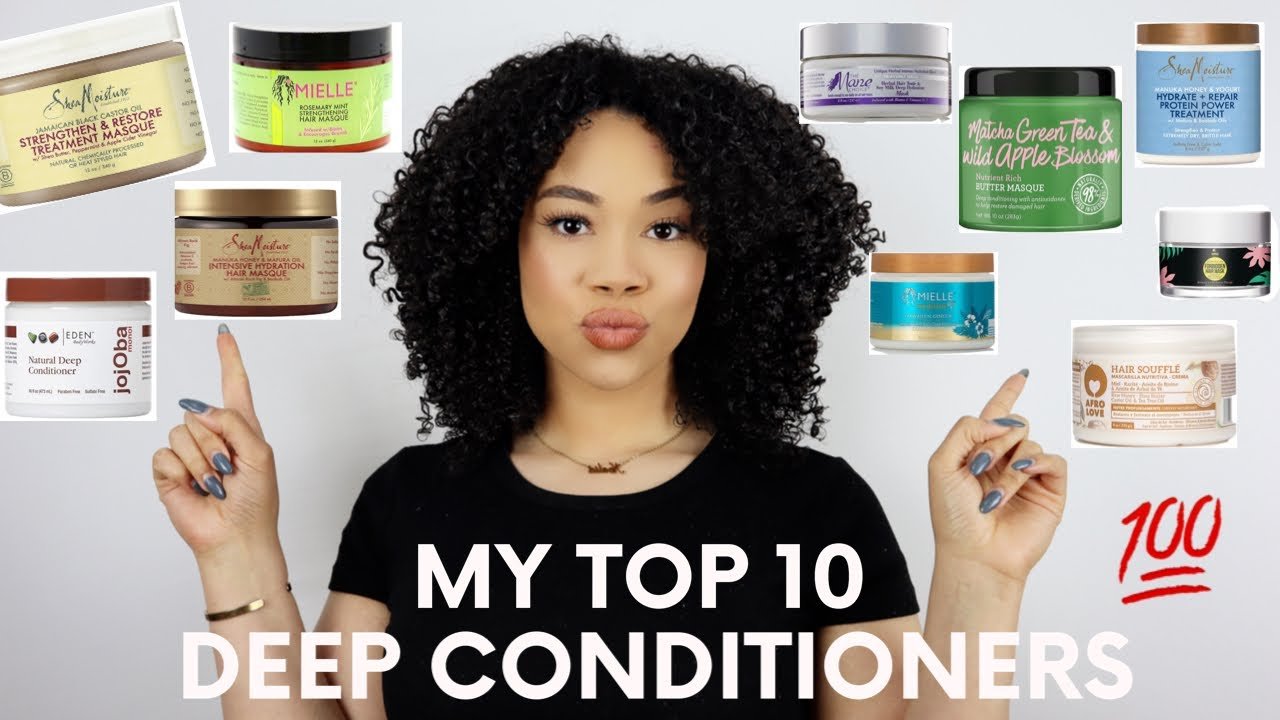
Hair that feels dry, brittle, or lifeless is something most people deal with at some point. Heat styling, coloring, environmental stress, and even daily washing can strip moisture and leave strands looking dull. Regular conditioner helps on the surface, but deeper treatments step in when hair needs real repair and lasting softness. The best deep conditioners work by penetrating further into the hair shaft, delivering concentrated nourishment that everyday products often cannot match.
Choosing the right one depends on your hair type, current condition, and goals. Some formulas focus on bond repair after chemical processing. Others prioritize intense moisture for thick or curly textures. Lightweight options exist for fine hair that cannot handle heavy products. Understanding ingredients, application methods, and realistic expectations makes the search far more effective than grabbing the first jar on the shelf. This guide walks through what makes a treatment effective, how to match products to different needs, and practical ways to incorporate them into a routine so results show up consistently over time.
Why Deep Conditioning Matters More Than You Think
Daily washing and styling put constant stress on the hair cuticle. The outer layer lifts and loses its ability to lock in moisture, leading to frizz, breakage, and that rough texture many people notice in the mirror. A deep conditioner sits on the hair longer than a regular rinse-out product, allowing oils, proteins, and humectants more time to absorb. The result is improved elasticity, smoother ends, and better manageability that can last several washes.
People who color their hair or use hot tools regularly see the biggest difference. Chemical processes break internal bonds, and heat causes further damage. Treatments designed for repair help rebuild some of that structure while coating the surface for immediate softness. Even those with naturally healthy hair benefit from occasional intensive care, especially during dry seasons or after swimming. Consistency turns occasional softness into a noticeable long-term improvement in how hair looks and feels.
How Deep Conditioners Differ from Everyday Conditioners
Regular conditioners work mainly on the surface. They smooth the cuticle, reduce static, and make detangling easier during the shower. Deep versions contain higher concentrations of beneficial ingredients and are meant to stay on longer, sometimes with heat to open the cuticle further. This allows better penetration of moisture and strengthening agents.
Texture also differs. Many deep conditioners feel richer or creamier. Some come as masks that users apply in thicker layers. Leave-in styles exist too, though most traditional deep treatments rinse out after a set time. The key is intention. Using a deep formula every time you wash can overwhelm certain hair types, while using it too rarely limits the benefits. Finding the right frequency for your specific hair creates the balance that keeps strands healthy without buildup.
Key Ingredients That Make a Real Difference
Look for a mix of moisturizing and strengthening components. Natural oils such as argan, avocado, or coconut deliver fatty acids that soften and add shine. Butters like shea or mango provide heavier emollients that coat thicker textures effectively. Humectants including glycerin or honey draw moisture from the air into the hair shaft.
Protein ingredients play a different role. Hydrolyzed keratin, silk, or plant proteins temporarily fill gaps in damaged areas, improving strength. Bond-building technologies found in certain modern formulas target the internal structure more directly. Vitamins and botanical extracts often appear for added nourishment and antioxidant support. Reading the full ingredient list helps match the product to your needs rather than relying solely on marketing claims.
Matching Treatments to Different Hair Types
Fine hair needs formulas that hydrate without weighing strands down. Lightweight creams or gels with smaller molecular ingredients work better than thick butters. Medium to thick hair can handle richer textures that deliver more substantial moisture. Curly and coily patterns often require the heaviest options because their natural shape makes it harder for sebum to travel down the shaft.
Color-treated or chemically processed hair benefits from bond-repair and color-safe formulas that avoid stripping. Dry or damaged hair responds well to intensive moisture combined with light protein. Gray or silver hair sometimes needs extra shine and softness to counteract coarseness. Knowing your hair’s density, porosity, and current condition guides the choice more accurately than general recommendations.
Popular Options That Consistently Perform Well
Among widely discussed products, bond-repair treatments like those from Olaplex stand out for chemically damaged hair. They focus on rebuilding broken disulfide bonds rather than simply coating the surface. Natural-leaning masks such as Briogeo’s Don’t Despair, Repair offer plant-based moisture and strengthening for a broad range of textures. Rich butters from brands like SheaMoisture deliver intense hydration favored by many with thick or coily hair.
Luxury options including Cécred Moisturizing Deep Conditioner provide a thick, butter-like texture that many users praise for softness and definition. K18’s leave-in molecular approach appeals to people who want results without long processing times. Drugstore standouts like certain Pantene deep formulas prove that effective care does not always require a high price. The best deep conditioners across these categories share the ability to deliver noticeable softness and improved feel after consistent use.
Application Techniques That Maximize Results
Start with clean, damp hair. Shampoo first to remove buildup so the treatment can penetrate better. Apply from mid-lengths to ends, focusing on the areas that need the most help. Roots often need less product to avoid heaviness. Use a wide-tooth comb or fingers to distribute evenly.
Time matters. Most formulas recommend five to twenty minutes. Longer processing under a shower cap or with gentle heat from a warm towel or hooded dryer improves absorption for high-porosity or damaged hair. Rinse thoroughly with cool water to help seal the cuticle. Follow with a light leave-in if desired. Frequency usually ranges from once a week to every other week depending on hair condition and product richness.
Common Mistakes That Reduce Effectiveness
Applying product to dirty hair limits penetration. Using too much on fine hair creates limp results. Leaving treatments on too long with protein-heavy formulas can sometimes lead to stiffness if the hair already has enough protein. Skipping the rinse or rinsing with very hot water can leave residue or reopen the cuticle.
Inconsistent use also limits progress. One application may feel good temporarily, but lasting change comes from regular sessions. Pairing deep treatments with overly harsh shampoos can cancel out benefits. Choosing a formula mismatched to hair type leads to either insufficient moisture or unwanted weight. Paying attention to how hair responds after each use allows adjustments that improve outcomes over time.
Building a Simple Routine Around Deep Treatments
Keep the process straightforward. Choose a gentle shampoo that cleans without stripping. Use your deep conditioner on wash days when hair feels particularly dry or after heat styling. Alternate with a lighter regular conditioner on other days if needed. Protect hair between washes with silk or satin at night and minimize heat when possible.
Track changes. Notice how hair feels after one week, then after a month. Softness, reduced breakage during detangling, and improved shine are common early signs. Adjust frequency or product if results plateau. Combining the treatment with occasional trims keeps ends healthy and allows the benefits to show more clearly.
Understanding Hair Porosity and Its Role
Low-porosity hair has a tightly closed cuticle that resists moisture. These strands benefit from lighter formulas and heat during application to help ingredients enter. High-porosity hair absorbs quickly but also loses moisture fast. Richer products with sealing oils work better here. Medium porosity sits in between and usually responds to a wider range of options.
Simple tests help identify porosity. Place a clean strand in water. If it floats for a long time, porosity tends to be low. If it sinks quickly, porosity is higher. Knowing this detail prevents frustration and guides both product selection and application method more accurately than guessing.
The Role of Heat in Deep Conditioning
Gentle heat temporarily lifts the cuticle, allowing deeper penetration. A warm towel wrapped around the head, a plastic shower cap under a dryer, or a heated conditioning cap all work. Avoid extreme temperatures that can cause further damage. Ten to twenty minutes of moderate heat is usually enough for most formulas.
People with low-porosity hair often see the biggest improvement from adding heat. Those with already porous or fragile hair may prefer shorter times or no heat to prevent over-softening. Experiment carefully and watch how hair feels afterward. The goal is better absorption without compromising strength.
Budget-Friendly Versus Luxury Choices
Effective care exists at many price points. Drugstore options frequently deliver solid moisture and softness for everyday needs. Higher-priced treatments often feature more concentrated actives, pleasant textures, or specialized technologies such as advanced bond repair. The decision depends on budget, hair condition, and how often the product will be used.
Trying travel sizes or sample sizes before committing to full jars reduces waste. Reading recent user experiences across different hair types provides useful context. Some people rotate a budget option for regular use with a more intensive treatment for monthly repair sessions. Both approaches can work well when matched to actual needs.
Addressing Specific Concerns Like Color and Chemical Processing
Color-treated hair needs formulas that support color longevity while repairing damage from the process. Look for color-safe claims and ingredients that smooth the cuticle to reduce fade. Chemically straightened or relaxed hair benefits from moisture-focused treatments that restore flexibility without adding excessive protein that might conflict with the chemical structure.
Bleached or highlighted hair often shows the most dramatic improvement from bond-building deep conditioners. These products target the internal structure that bleaching compromises. Pairing them with gentle cleansing and limited heat helps maintain the results longer. Regular deep conditioning becomes an essential part of maintaining vibrancy and strength after chemical services.
Seasonal Adjustments for Better Results
Winter air and indoor heating increase dryness. Richer formulas or more frequent applications help during colder months. Summer humidity and sun exposure call for lighter moisture with protective ingredients. Chlorine and salt water create additional stress that benefits from pre- and post-swim treatments.
Travel and climate changes also affect hair. Packing a small amount of preferred deep conditioner maintains consistency away from home. Paying attention to how hair responds as seasons shift allows timely adjustments that keep it looking and feeling its best year-round.
Signs Your Current Treatment Is Working
Improved detangling is often the first noticeable change. Hair that once snapped easily becomes more flexible. Shine increases as the cuticle lies flatter. Ends feel softer and look less frayed. Styling becomes easier because hair holds moisture better and resists frizz.
These improvements usually appear gradually with consistent use rather than overnight. Taking photos every few weeks under similar lighting helps track progress objectively. If no change appears after several weeks of correct application, it may be time to try a different formula better suited to the hair’s specific needs.
Combining Deep Conditioning with Other Healthy Habits
Product alone cannot overcome constant damage. Reducing heat styling, using heat protectant when tools are necessary, and protecting hair at night all support the work of deep treatments. A balanced diet and adequate water intake contribute to hair health from the inside. Gentle handling during washing and detangling prevents unnecessary breakage.
Regular trims remove split ends that travel up the shaft. Scalp care matters too because a healthy scalp supports stronger growth. Viewing deep conditioning as one piece of a larger approach produces more reliable long-term results than relying on any single product.
Realistic Expectations and Timeline
One application can make hair feel softer immediately. Lasting strength and reduced breakage usually require several weeks of consistent use. Severely damaged hair may need months of care plus professional services to show major improvement. Setting realistic goals prevents disappointment and encourages steady habits.
The best deep conditioners support healthier-looking hair when used correctly, but they are not magic. They work best as part of thoughtful overall care. Patience and consistency deliver better outcomes than searching for a single transformative product.
Table of Considerations by Hair Concern
| Hair Concern | Preferred Texture | Key Ingredient Focus | Suggested Frequency |
|---|---|---|---|
| Fine or thin | Lightweight cream | Light oils, humectants | Once weekly |
| Thick or coarse | Rich butter or mask | Shea, heavy oils | Weekly or bi-weekly |
| Curly or coily | Thick cream | Butters, natural oils | Weekly |
| Color-treated | Medium cream | Bond repair, color-safe | Weekly |
| Highly damaged | Repair-focused | Proteins, bond builders | Weekly initially |
| Dry or high porosity | Intensive moisture | Humectants, sealing oils | Weekly |
| Low porosity | Lighter formula | Heat-assisted application | Every 1-2 weeks |
This overview helps narrow choices based on the main issue rather than trying every product available.
Quotes from Common User Experiences
Many people describe the shift after finding the right treatment. One frequent comment notes: “My ends finally stopped feeling like straw after a few weeks of consistent use. Detangling became so much easier.” Another common observation is: “I was skeptical of drugstore options but the right formula left my hair softer than some salon treatments I had tried.” A third shared experience often heard is: “Adding gentle heat during the processing time made a noticeable difference in how much moisture my low-porosity hair actually absorbed.”
These real-world reflections highlight that results depend on matching the product and method to individual hair rather than following a universal rule.
Storage and Shelf Life Tips
Keep jars tightly closed and away from direct sunlight or extreme heat. Bathroom humidity can affect some formulas over time. Using clean hands or a spatula prevents contamination. Most products last one to two years unopened and several months after opening when stored properly. Checking the texture and scent before each use catches any changes early.
Travel sizes or smaller containers help maintain freshness if the full jar takes a long time to finish. Proper storage preserves the effectiveness of the ingredients so every application delivers the intended benefit.
When to Seek Professional Advice
Persistent breakage, significant thinning, or scalp issues may require more than at-home treatments. A dermatologist or trichologist can identify underlying causes such as nutritional gaps, hormonal factors, or medical conditions. Stylists experienced with specific textures can recommend professional treatments that complement home care.
Deep conditioning supports surface and structural health but does not replace professional evaluation when problems go beyond typical dryness or damage. Combining expert input with consistent home practices produces the strongest overall results.
Expanding the Benefits Through Complementary Products
A good deep conditioner works better alongside supportive items. A gentle clarifying shampoo used occasionally removes buildup that blocks absorption. Leave-in conditioners or lightweight oils help seal in the moisture after rinsing. Heat protectants reduce new damage during styling. Silk pillowcases minimize friction overnight.
Building a small collection of complementary products creates a complete system rather than relying on one hero item. The combination addresses different stages of care and maintains the improvements achieved through deep treatments.
Adapting for Different Lifestyles and Schedules
Busy schedules do not have to mean skipping intensive care. Quick five-to-ten-minute treatments fit into regular shower routines. Overnight options exist for those who prefer longer processing while sleeping. Weekend sessions allow more time for heat and thorough application.
Travelers can pack multi-use products that serve as both deep treatments and regular conditioners when needed. Parents or caregivers often find that consistent short sessions work better than infrequent long ones. Flexibility in method keeps the habit sustainable regardless of daily demands.
The Connection Between Scalp Health and Strand Condition
A balanced scalp supports stronger hair growth and better overall condition. Overly rich products applied too close to the roots can contribute to buildup or imbalance. Focusing deep treatments on mid-lengths and ends protects the scalp while still nourishing the lengths that need it most.
Occasional scalp massages with lightweight oils or treatments improve circulation. Keeping the scalp clean without stripping natural oils creates a better foundation for any conditioning routine. Healthy roots and healthy ends work together for the best appearance.
Tracking Progress Without Obsession
Simple notes or monthly photos under consistent lighting provide useful feedback. Notice changes in how hair feels when wet, how easily it detangles, and how it looks after drying. Avoid daily intense scrutiny that can create unnecessary pressure.
Celebrate small improvements. Reduced frizz on humid days, less breakage in the brush, or increased shine all count as progress. This balanced approach sustains motivation without turning hair care into a source of stress.
Exploring Texture Preferences and Sensory Experience
Some people prefer thick, buttery masks that feel luxurious. Others like lighter creams that rinse cleanly. Scent plays a role for many. Fragrance-free options exist for sensitive users. The sensory experience influences how consistently someone uses the product.
Trying different textures helps identify personal preference. Enjoyment of the process increases the likelihood of sticking with the routine long enough to see real benefits. Comfort and results together create the most successful approach.
Addressing Buildup and Clarifying Needs
Rich treatments can leave residue over time, especially on low-porosity or fine hair. Occasional clarifying shampoos restore the ability of deep conditioners to penetrate effectively. The frequency depends on product use and water hardness.
Signs of buildup include dullness, limp texture, or reduced effectiveness of usual products. A gentle clarifying step every few weeks keeps the system working optimally. Following clarification with a deep treatment restores moisture after the deeper clean.
Long-Term Hair Goals and Maintenance
Softness and strength are common starting goals. Over time many people aim for reduced breakage, better length retention, or improved definition in curly textures. Deep conditioning supports these aims when combined with protective practices and patience.
Maintenance becomes easier once hair reaches a healthier baseline. Frequency can sometimes decrease while still preserving results. The habit of attentive care continues to protect against new damage from styling or environmental factors.
Conclusion
Selecting and using the best deep conditioners transforms dry, stressed hair into softer, more manageable strands when approached thoughtfully. Matching formula to hair type, applying correctly, and maintaining consistency produce the most reliable improvements. Ingredients, porosity, lifestyle, and realistic timelines all influence outcomes. The process works best as part of broader healthy habits rather than a standalone fix. Hair responds gradually to good care. Small, steady actions compound into noticeable differences in feel, appearance, and strength. Choosing products that suit individual needs and using them with intention creates lasting benefits that go beyond temporary softness.
What are the best deep conditioners for damaged hair?
Formulas focused on bond repair and protein support often work well for damaged strands. Products containing bond-building technology or hydrolyzed proteins help strengthen the internal structure while moisture ingredients restore softness. Consistent weekly use combined with reduced heat styling produces the most visible improvement over time.
How often should someone use the best deep conditioners?
Most people benefit from once a week or every other week depending on hair condition and product richness. Highly damaged or dry hair may start with weekly applications and then adjust based on results. Fine hair often needs less frequent use to avoid heaviness. Observing how hair feels after each treatment guides the ideal schedule.
Can the best deep conditioners help with frizz and dryness?
Yes. By improving moisture retention and smoothing the cuticle, effective deep treatments reduce frizz and combat dryness. Richer formulas with sealing oils work especially well for high-porosity or curly hair. Proper application and occasional clarifying keep the benefits consistent without buildup.
Are expensive options always better than affordable best deep conditioners?
Not necessarily. Many budget-friendly products deliver solid hydration and softness for everyday needs. Higher-priced treatments may offer specialized technologies or more concentrated ingredients that benefit severely damaged hair. The right choice depends on specific concerns, hair type, and how the formula performs for the individual rather than price alone.
What ingredients should be prioritized in the best deep conditioners?
A balance of moisturizing oils or butters, humectants, and light proteins or bond-repair agents covers most needs. Shea butter, argan oil, glycerin, and hydrolyzed proteins appear frequently in effective formulas. Matching the ingredient profile to hair porosity and current condition produces better results than following general trends.