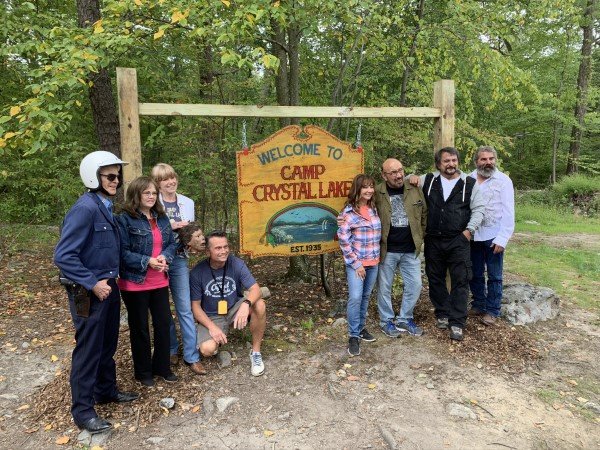
Camp Crystal Lake is one of the most recognizable fictional locations in horror history. At first glance, it seems like an ordinary summer camp surrounded by trees, cabins, a lake, and plenty of space for teenagers to enjoy the outdoors. But in the world of Friday the 13th, this peaceful-looking place has become closely associated with murder, tragedy, and one of horror cinema’s most famous characters, Jason Voorhees.
What makes Camp Crystal Lake especially interesting is that the location is more than just a background for the movies. The camp is deeply connected to the mythology of the franchise. Its history explains why the area became feared, why people continued to return despite its reputation, and why Jason’s story has remained connected to the lake for decades. The combination of an isolated setting and a dark history helped create an atmosphere that audiences could immediately understand.
Although Camp Crystal Lake is fictional, the original movie used a real summer camp in New Jersey to bring the setting to life. Camp No-Be-Bo-Sco in Hardwick Township served as the primary camp location for the 1980 film, giving the movie a remarkably authentic appearance. The real camp remains a working Scout camp today, which makes the connection between the fictional horror setting and the real-world location particularly fascinating.
What Is Camp Crystal Lake?
Camp Crystal Lake is a fictional summer camp featured throughout the Friday the 13th franchise. In the original mythology, it is located in New Jersey and is owned by the Christy family. The camp was designed as a place where young people could spend their summers swimming, staying in cabins, playing games, and enjoying the outdoors. Unfortunately, its peaceful reputation eventually became overshadowed by a series of horrifying events.
The camp’s biggest connection is to Jason Voorhees and his mother, Pamela Voorhees. Jason’s childhood tragedy at the lake becomes the foundation for the violence associated with the location. According to the franchise’s story, Jason drowned after falling into the lake while the counselors failed to supervise him properly. His disappearance became the event that changed Camp Crystal Lake forever.
From that point forward, the camp develops a reputation as a cursed place. Attempts to reopen it repeatedly become associated with disturbing incidents and deaths. This history is important because it transforms the camp from an ordinary summer destination into a symbol of danger. Whenever characters return to the area, viewers already know that something terrible could happen.
The Origin Story of Camp Crystal Lake
The fictional history of Camp Crystal Lake begins decades before Jason becomes the masked killer audiences know. According to the franchise mythology, the camp was established in 1935 by the Christy family. For many years, it operated as a relatively normal summer camp without the terrifying reputation it would later acquire.
Everything changed during the summer of 1957. Jason Voorhees was attending the camp and was bullied by other children. While the counselors were distracted, Jason went into the lake and drowned. His death became the defining tragedy in the camp’s history. The circumstances surrounding his disappearance also became central to Pamela Voorhees’s motivation in the original Friday the 13th.
The tragedy created a cycle that would continue throughout the franchise. Pamela blamed the counselors for failing her son, and the camp became associated with revenge. Later attempts to reopen the property were met with fear and rumors, making Camp Crystal Lake almost impossible to separate from its violent past. The location therefore works as both a physical setting and a storytelling device.
Jason Voorhees and His Connection to the Camp
Jason Voorhees is the character most strongly associated with Camp Crystal Lake. However, an interesting detail for newcomers to the franchise is that Jason is not actually the killer in the original Friday the 13th. The first film focuses on Pamela Voorhees, Jason’s mother, whose grief and anger drive the murders.
Jason’s importance grows dramatically in later installments. He eventually becomes the central antagonist of the franchise, and Camp Crystal Lake becomes his symbolic home. His relationship with the camp is not simply about geography. The location represents his childhood, his mother’s grief, and the traumatic event that shaped the mythology surrounding him.
That connection is one reason the camp remains so effective as a horror setting. Jason is not just randomly visiting a location where people happen to be camping. The place is part of his identity. The lake represents his past, while the cabins and surrounding woods become the territory in which his legend continues to grow. Camp Crystal Lake essentially becomes a character within the larger story.
Why the Lake Is So Important
The lake itself is arguably the most important visual element of Camp Crystal Lake. Water is often associated with peacefulness, relaxation, and summer fun, but the Friday the 13th franchise turns that expectation upside down. The lake becomes a reminder of Jason’s childhood tragedy and the dark history surrounding the camp.
The famous ending of the original film reinforces the importance of the water. After the violence appears to be over, the story delivers a shocking moment involving young Jason emerging from the lake. The sequence became one of the most memorable images in the movie and helped establish the supernatural and psychological mythology that would surround the character.
The lake also creates a natural sense of isolation. Characters are surrounded by woods and water, often far away from towns or immediate help. That makes the environment perfect for a slasher movie. Even when nothing is happening, the lake creates tension because viewers know that the peaceful surface can hide something terrifying underneath.
The Real Location Behind Camp Crystal Lake
One of the most fascinating facts about Camp Crystal Lake is that the fictional camp was brought to life using a real location. For the original 1980 movie, filmmakers used Camp No-Be-Bo-Sco in Hardwick Township, New Jersey. The camp is located near Blairstown and became the primary filming location for the fictional Camp Crystal Lake.
Camp No-Be-Bo-Sco was already an established Scout camp, so the filmmakers had access to authentic cabins, wooded areas, trails, a lake, and other features that made the location look convincing on camera. Instead of constructing an entirely artificial camp, the production could simply use an existing environment and transform it through cinematography, set dressing, and storytelling.
The result was extremely effective. The camp looks believable because it was a genuine working camp rather than a movie set designed from scratch. That realism helped Friday the 13th develop the grounded atmosphere that separates it from more exaggerated horror productions. The real location became so closely connected with the movie that fans still identify Camp No-Be-Bo-Sco as the original Camp Crystal Lake.
Filming Friday the 13th in New Jersey
The original Friday the 13th was filmed primarily around several New Jersey communities, including Hardwick Township, Blairstown, and Hope. Production took place in 1979 before the film was released in 1980. The filmmakers used the surrounding countryside to create the fictional world of Crystal Lake.
The production reportedly dealt with cold weather during filming, despite the story taking place during summer. This created an unusual behind-the-scenes situation because actors and crew members were making a summer horror movie while dealing with chilly New Jersey conditions. Some sequences had to be adjusted because of the weather, demonstrating how production realities can influence a movie’s final appearance.
The surrounding towns were also important to the movie’s atmosphere. Locations in Blairstown and Hope helped create the small-town environment surrounding the camp. The diner, streets, cemetery, and other recognizable locations made Crystal Lake feel like a genuine rural community rather than an isolated fictional world. That attention to location helped the movie achieve a grounded quality that remains memorable.
The Cabins and Woods of Camp Crystal Lake
The cabins are another major part of the visual identity of Camp Crystal Lake. They look simple, rustic, and practical, which makes them easy for viewers to imagine as real summer-camp buildings. At the same time, their isolation makes them perfect places for horror scenes.
In a typical horror movie, a cabin might represent safety because it gives characters a roof, walls, and a place to hide. Friday the 13th reverses that expectation. The cabins become places where characters can be trapped. The woods surrounding them make escape difficult, while the limited visibility creates constant uncertainty.
The natural environment also does much of the horror movie’s work. Trees block the horizon, trails disappear into darkness, and nighttime reduces visibility even further. The filmmakers did not need futuristic technology or elaborate sets to make the camp frightening. They simply used ordinary outdoor features and allowed the audience’s imagination to fill in the gaps.
Camp Blood and the Camp’s Dark Reputation
Fans sometimes refer to Camp Crystal Lake as “Camp Blood,” a nickname that reflects the property’s terrifying reputation. The name fits the mythology because the camp becomes associated with repeated violence and death throughout the franchise.
The nickname also demonstrates how horror fandom transforms fictional places into legendary locations. Once audiences understand what happened at the camp, even an ordinary image of a cabin or lake can carry a different meaning. A peaceful scene is no longer simply peaceful because viewers know what the location represents.
This reputation is a major part of the camp’s storytelling power. The characters may arrive without understanding the full history, but the audience often has more information. That creates dramatic irony. Viewers know that the location is dangerous while characters continue behaving as though they have simply arrived at a normal summer retreat.
How Camp Crystal Lake Changed Throughout the Franchise
Camp Crystal Lake does not remain exactly the same throughout the Friday the 13th series. Different movies introduce changes to the location, its name, and its surrounding mythology. One notable example comes in Friday the 13th Part VI: Jason Lives, when the location is associated with the name Camp Forest Green.
The changes allow filmmakers to reinvent the setting while keeping its basic identity intact. The audience still recognizes the familiar combination of woods, water, cabins, and isolation. Even when the name changes, the history remains impossible to ignore.
This flexibility helped Camp Crystal Lake survive as an important part of the franchise. It could be a summer camp, a place of mystery, a crime scene, or Jason’s territory depending on the needs of the story. The setting remained recognizable without becoming completely repetitive.
The Original Camp Crystal Lake vs. Later Movies
Not every Friday the 13th movie was filmed at the original Camp No-Be-Bo-Sco location. Later productions used different locations to represent Crystal Lake or create similar environments. This is common in long-running movie franchises because productions move between states and countries depending on budgets, schedules, available facilities, and creative requirements.
For example, the 2009 Friday the 13th reboot was filmed in Texas rather than using the original New Jersey camp. Production designers had to recreate the feeling of the classic location using different landscapes. The result demonstrates how important visual design is to the identity of the fictional camp.
Interestingly, the original New Jersey location still holds a special position among fans because it was the place where the mythology first appeared on screen. Later versions can reproduce cabins and forests, but the original location has historical significance. It is where audiences first saw the fictional Camp Crystal Lake brought to life.
Visiting the Real Camp Crystal Lake Location
For horror fans, visiting the real filming location can be an exciting experience. Camp No-Be-Bo-Sco remains an active Scout camp and is not simply an abandoned movie set. Because it continues to serve its original purpose, access is restricted outside official events and tours.
Crystal Lake Tours organizes official experiences connected with the famous filming location. According to the tour organization, Camp No-Be-Bo-Sco is private property and is open to the public only during official tour dates. This restriction is important because the camp continues to operate as a youth-oriented Scout facility.
For fans who do get an opportunity to attend an official tour, the experience offers something different from simply watching the movie. Seeing the lake, cabins, and surrounding landscape in person helps explain why the location worked so well on camera. It also allows visitors to appreciate the real camp as a functioning place rather than treating it only as a horror attraction.
Why Camp Crystal Lake Became a Horror Icon
Camp Crystal Lake became iconic because it combines familiar summer imagery with horror. Most people understand the basic idea of a summer camp: cabins, campfires, swimming, outdoor activities, friendships, and freedom. The Friday the 13th movies take that familiar environment and introduce the possibility of danger.
That contrast makes the setting particularly effective. If the camp looked frightening from the beginning, audiences would expect something terrible to happen. Instead, the setting often looks beautiful and peaceful. The surrounding trees and lake can appear inviting during daylight, which makes the later violence feel even more disturbing.
Another reason for the camp’s lasting popularity is its connection to Jason Voorhees. Horror characters need memorable environments, and Jason has one of the strongest location associations in the genre. Just as certain horror characters are linked with particular houses, towns, or neighborhoods, Jason is forever connected with Camp Crystal Lake.
Camp Crystal Lake in Modern Horror Culture
Decades after the original movie, Camp Crystal Lake remains recognizable even among people who have never watched every Friday the 13th film. The name has become part of popular horror vocabulary. Mentioning Camp Crystal Lake immediately brings to mind a remote camp, a mysterious lake, teenage counselors, and the threat of Jason Voorhees.
The location has also become important to horror tourism. Fans are interested not only in fictional stories but also in the real places where those stories were filmed. The continued interest in the New Jersey filming site shows how a movie location can develop a cultural identity of its own.
The enduring appeal also comes from nostalgia. The original Friday the 13th belongs to a particular era of horror filmmaking, and the visual style of Camp Crystal Lake captures that period. The rustic cabins, natural surroundings, and practical production techniques give the movie a distinctive character that modern digital effects cannot completely reproduce.
Camp Crystal Lake and the Future of Friday the 13th
Camp Crystal Lake continues to have relevance as the Friday the 13th franchise expands into new forms of entertainment. The franchise has explored movies, television, games, merchandise, books, collectibles, and fan events. Across these formats, the camp remains one of the most recognizable pieces of the mythology.
A particularly notable development is the television project titled Crystal Lake, which revisits the mythology of the franchise. Production has also returned to Camp No-Be-Bo-Sco for filming, connecting the new project with the location used by the original movie. Reports indicate that filming concluded in 2025 and that post-production was underway in 2026.
That return is meaningful because it shows that the original setting still has creative value. After decades of sequels and reinterpretations, filmmakers can still return to the same woods and lake that helped establish the franchise. Camp Crystal Lake therefore remains more than a nostalgic reference; it continues to provide a foundation for new stories.
Why Fans Still Love Camp Crystal Lake
There is something strangely appealing about Camp Crystal Lake despite everything that happens there. Horror fans are often drawn to locations with strong histories, and this camp has one of the richest fictional histories in the genre. Every cabin, trail, and stretch of water can feel connected to something that happened in the franchise.
The setting also allows fans to imagine themselves inside the story. A modern city environment can make horror feel distant, but a summer camp is familiar and accessible. Many people have experienced camping, lakes, cabins, or outdoor trips. Camp Crystal Lake takes those familiar experiences and adds a terrifying layer of fictional history.
Most importantly, the camp represents the heart of the Friday the 13th mythology. Jason may be the face of the franchise, but Camp Crystal Lake is the place that gave his story emotional and geographical meaning. Without the camp, Jason’s legend would lose one of its most important foundations.
Frequently Asked Questions About Camp Crystal Lake
Is Camp Crystal Lake a real place?
Camp Crystal Lake itself is fictional. It was created as part of the Friday the 13th universe. However, the original 1980 movie used the real Camp No-Be-Bo-Sco in Hardwick Township, New Jersey, as its primary camp filming location.
The distinction is important because fans sometimes describe the real camp as Camp Crystal Lake. Technically, the fictional name belongs to the movie universe, while Camp No-Be-Bo-Sco is the real Scout camp that appeared on screen.
Where is the real Camp Crystal Lake filming location?
The original filming location is Camp No-Be-Bo-Sco in Hardwick Township, New Jersey. It is near Blairstown and sits in a wooded area with a lake and rustic camp buildings that helped create the visual identity of the fictional location.
The real camp remains active and privately operated. Visitors should not enter the property without authorization or an official event. Crystal Lake Tours specifically notes that the camp is private property and access is limited to official tour dates.
Was Jason Voorhees the killer in the first Friday the 13th movie?
No. This is one of the most common misconceptions about the original film. In the first Friday the 13th, Pamela Voorhees is responsible for the murders. Jason becomes the central killer in later installments.
The original movie uses Jason’s childhood death as the emotional motivation behind Pamela’s actions. This distinction is important when discussing the mythology because it shows that the franchise’s original story was centered on a grieving mother rather than the hockey-mask-wearing Jason audiences later came to know.
Why is Camp Crystal Lake so important to Jason?
Camp Crystal Lake is connected to Jason’s childhood and the tragedy that supposedly caused his death. The lake is where the defining event of his early life occurred, and the camp becomes the place where his story repeatedly returns.
Because of this connection, Camp Crystal Lake is more than a random setting for Jason’s murders. It represents his past, his mother’s grief, and the beginning of the legend associated with him.
Can fans visit Camp Crystal Lake?
Fans can experience the original filming location during authorized events and official tours, but Camp No-Be-Bo-Sco is an active private Scout camp and is not generally open to visitors. Crystal Lake Tours provides official experiences during scheduled events.
Anyone interested in visiting should check official tour information before making plans. Entering the property without permission is not appropriate because the site continues to operate as a real youth camp.
Conclusion
Camp Crystal Lake remains one of the most influential fictional locations in horror. What began as a seemingly ordinary summer camp became the center of a mythology involving Jason Voorhees, Pamela Voorhees, tragic history, and decades of horror storytelling. The setting works because it combines beauty and danger in a simple but powerful way. The real-world connection makes the story even more interesting. Camp No-Be-Bo-Sco in New Jersey provided the authentic environment used for the original Friday the 13th, and its cabins, woods, and lake helped give Camp Crystal Lake its unforgettable appearance. The fact that the real camp is still operating makes the connection between classic horror cinema and real-world history especially unusual.
Ultimately, Camp Crystal Lake is memorable because it became much more than a place on a fictional map. It represents the beginning of Jason Voorhees’s legend and the atmosphere that helped make Friday the 13th a lasting part of horror culture. Whether fans discover it through the original movie, later sequels, games, television projects, or real-world tours, the name Camp Crystal Lake continues to carry a sense of mystery that few fictional locations can match.
YOU MAY HAVE MASSED