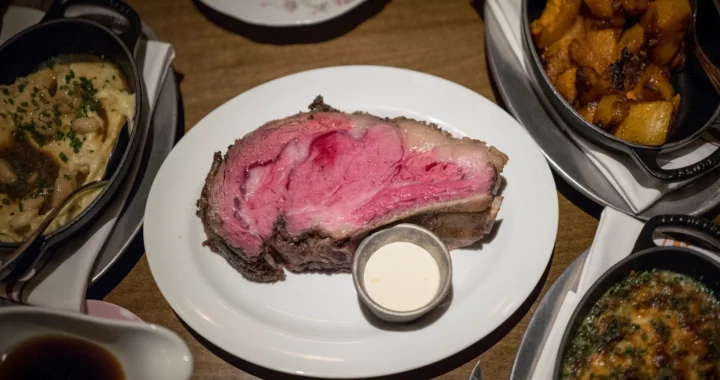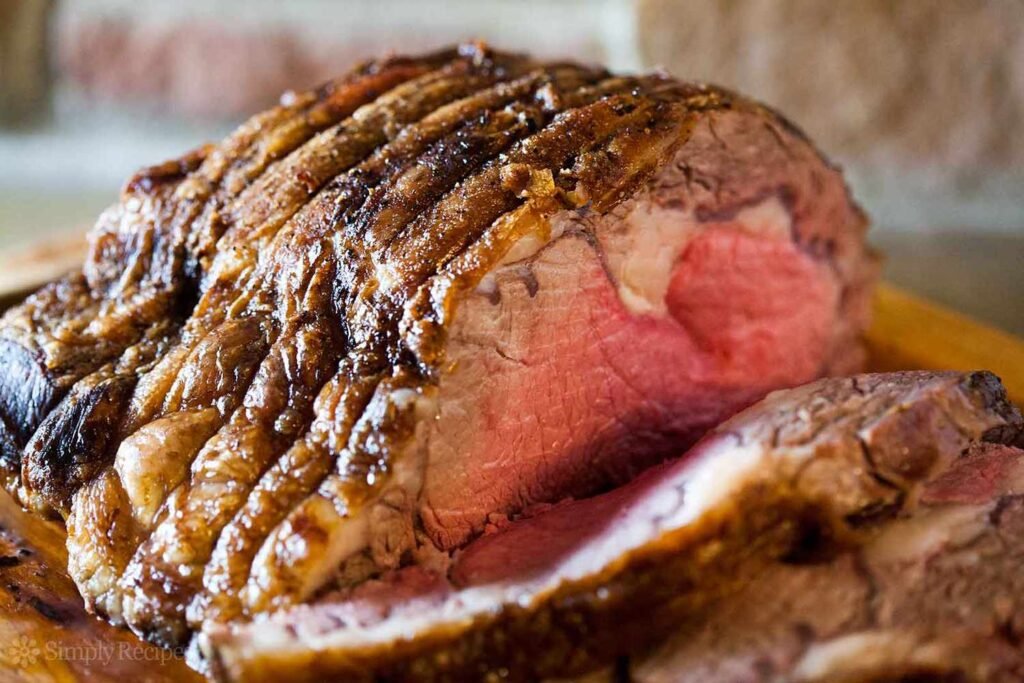
Prime rib roast is one of those dishes that instantly makes a meal feel special. It has a rich, beefy flavor, a tender texture, and a beautifully browned exterior that can turn an ordinary dinner into a celebration. Whether you’re preparing it for Christmas, Thanksgiving, a birthday, or a relaxed weekend gathering, a properly cooked prime rib roast is hard to beat.
The good news is that you don’t need complicated ingredients or professional kitchen equipment to make an impressive roast at home. What matters most is choosing a good cut of beef, seasoning it properly, controlling the oven temperature, and giving the meat enough time to rest before carving. Once you understand those basics, the process becomes much less intimidating.
This guide explains everything you need to know about preparing a prime rib roast, from choosing the right cut and calculating portions to seasoning, roasting, resting, carving, and serving. The goal is simple: tender beef with a flavorful crust and the level of doneness you actually want.
What Is Prime Rib Roast?
Prime rib roast is a cut of beef taken from the rib section of the cow. It is also commonly called a standing rib roast, especially when the roast is cooked with the rib bones attached. The meat is prized because this section contains generous marbling, which contributes to its rich flavor and naturally tender texture.
Despite the name, “prime rib” does not automatically mean the beef carries the USDA Prime grade. The phrase is commonly used to describe the cut itself. You can find prime rib made from different grades of beef, so it is worth checking the label if the quality grade matters to you.
One reason this roast is so popular is its balance of meat and fat. During cooking, some of the fat renders into the surrounding meat, helping keep it moist and flavorful. The exterior develops a savory crust while the center can remain beautifully juicy and tender when cooked carefully.
How to Choose the Best Prime Rib Roast
Choosing the right roast is the first major step toward a successful meal. Look for beef with good marbling throughout the meat rather than a large amount of fat concentrated in only one area. Small streaks and flecks of intramuscular fat are desirable because they can melt during cooking and contribute to flavor and tenderness.
You can purchase a bone-in or boneless roast. Bone-in prime rib is often favored for special occasions because the bones can add flavor and provide some insulation during roasting. Boneless prime rib is easier to carve and portion, making it a practical choice when convenience matters.
The size of the roast should also match the number of guests. As a general guide, plan on roughly one pound of bone-in roast per person when the roast is the main attraction and you want generous portions. For boneless beef, around half a pound per person is often a reasonable starting point, although appetites and side dishes can change the calculation.
| Prime Rib Roast Choice | General Guideline |
|---|---|
| Bone-in roast | About 1 pound per person |
| Boneless roast | About 1/2 pound per person |
| Small gathering | Choose a roast based on desired leftovers |
| Large gathering | Consider a larger roast rather than several tiny cuts |
Should You Buy Bone-In or Boneless Prime Rib?
Bone-in prime rib has a classic presentation that makes it especially attractive for holiday dinners. The bones can also help shield the meat from direct heat, although the biggest factors in tenderness are still the quality of the beef and how you cook it. If you’re serving guests and want that dramatic carving moment, bone-in is a great choice.
Boneless prime rib, on the other hand, is extremely convenient. Without the bones in the way, it is easier to season every surface and easier to carve after cooking. It can also take up less space in the refrigerator and roasting pan.
There isn’t a single correct choice. If presentation and tradition are important, bone-in is a wonderful option. If easy preparation and carving are your priorities, boneless can be just as delicious. The cooking method can be adapted to either version.
Preparing the Roast Before Cooking
Before seasoning, take the prime rib out of its packaging and pat the surface thoroughly dry with paper towels. Removing excess moisture helps the outside develop better browning during roasting. A dry surface is especially important if you’re aiming for a deeply browned crust.
If you have enough time, you can season the roast several hours ahead or even the day before cooking. Salt has time to work its way into the surface of the beef, creating more evenly seasoned meat. Keep the seasoned roast refrigerated and uncovered or loosely covered according to your food-safety practices.
Some cooks like to let the roast sit at room temperature before cooking. While this can reduce the temperature difference between the refrigerator and the oven, you should not leave raw beef sitting out for an extended period. Good temperature control and a reliable meat thermometer are much more important than trying to make the roast completely room temperature.
The Best Seasoning for Prime Rib Roast
Prime rib does not need an enormous list of seasonings. In fact, keeping the seasoning simple often allows the natural flavor of the beef to stand out. Kosher salt and freshly ground black pepper create an excellent foundation.
Garlic and herbs can add another layer of flavor. Fresh rosemary and thyme pair particularly well with beef, while minced or powdered garlic can contribute a savory note to the crust. You can also add onion powder, smoked paprika, or a small amount of mustard if you want something more distinctive.
A simple seasoning blend might include kosher salt, black pepper, garlic, rosemary, and thyme. Rub the mixture evenly over the surface, making sure to cover the top, sides, and ends. Don’t be afraid to season generously because a large roast contains a substantial amount of meat.
Why Dry-Brining Can Improve Prime Rib
Dry-brining simply means salting the meat ahead of time and allowing it to rest in the refrigerator. Unlike a wet brine, it does not require a container of salty liquid. The salt gradually interacts with the surface of the meat and can improve seasoning and help the roast retain moisture during cooking.
For the best results, salt the roast several hours before roasting when your schedule allows. Leaving it uncovered in the refrigerator can also help dry the surface, which is useful for creating a crisp, browned exterior.
The key is not to treat dry-brining as a complicated scientific project. Season the roast evenly, refrigerate it appropriately, and give the salt enough time to do its work. Even a few hours can be helpful, while overnight seasoning is convenient when you’re preparing for a special dinner the next day.
How to Cook Prime Rib Roast in the Oven
One dependable approach is to start the roast at a higher oven temperature to encourage browning and then reduce the heat so the center cooks more gently. This method gives you good control over the exterior while allowing the interior to reach the desired temperature without becoming excessively dry.
Another popular technique reverses the process. With reverse roasting, the beef cooks slowly at a lower temperature first, and the oven temperature is increased at the end to create the crust. This method can produce very even internal doneness and is especially appealing when you want a consistent medium-rare center.
Whichever approach you choose, avoid relying solely on cooking time. Oven performance, roast shape, starting temperature, and the exact size of the beef can all affect how quickly the roast cooks. An instant-read or leave-in meat thermometer is one of the most useful tools you can have.
Understanding Prime Rib Internal Temperature
Temperature is more reliable than a clock when cooking a large piece of beef. If you want medium-rare prime rib, you should monitor the internal temperature and remove the roast from the oven before it reaches the final serving temperature because the meat continues cooking as it rests.
For many home cooks, medium-rare is the preferred level because it keeps the center juicy and tender while still providing a flavorful browned exterior. Medium is another popular option for guests who prefer their beef more cooked.
The exact temperature targets can vary depending on the cooking method and personal preference. Rather than chasing one magic number, use a thermometer and account for carryover cooking. Insert the thermometer into the thickest part of the roast while avoiding contact with the bone, since the bone can give an inaccurate reading.
Why a Meat Thermometer Matters
A prime rib roast is too expensive and too large to cook by guesswork. A thermometer takes much of the uncertainty out of the process. Instead of wondering whether the middle is ready, you can monitor its internal temperature and make an informed decision.
For the most accurate reading, place the thermometer into the thickest portion of the roast. If you’re using a bone-in cut, avoid touching the bone with the probe. Check more than one location if necessary, especially when cooking a large roast.
A thermometer is particularly valuable when serving guests with different preferences. You can remove the roast when the center reaches the appropriate stage and then slice different portions from the more cooked outer sections or the less cooked center.
The Importance of Resting Prime Rib Roast
Resting is one of the easiest steps to overlook, but it can make a noticeable difference. After removing the roast from the oven, place it on a cutting board or serving surface and allow it to rest before carving.
During resting, the heat inside the roast continues to move toward the center, and the temperature can rise somewhat. More importantly, resting gives the meat time to settle before you start slicing. Cutting immediately can cause more juices to run onto the cutting board instead of staying within the meat.
A large roast generally benefits from a substantial resting period. Covering it loosely with foil can help retain warmth, but avoid wrapping it tightly because trapped steam can soften the beautifully browned exterior you worked to create.
How to Carve Prime Rib Roast
Carving prime rib looks intimidating when you’re watching a professional do it, but the basic process is straightforward. Start with a sharp carving knife and a stable cutting board. If you have a bone-in roast, you can remove the bones first by cutting along the natural seam between the meat and the ribs.
Once the bones are separated, position the roast securely and slice across the grain. The thickness of each slice depends on personal preference, but moderately thick slices usually provide a satisfying combination of crust and tender interior.
If you’re serving a bone-in roast, don’t throw away the bones after carving. They can be enjoyed separately or saved for making a rich beef stock. The meat attached to the bones can also be particularly flavorful.
How to Get a Beautiful Crust
A good crust is one of the defining features of an excellent prime rib roast. The foundation is a dry surface, proper seasoning, and enough heat to encourage browning. Patting the roast dry before seasoning and avoiding excessive surface moisture can make a real difference.
Fat on the exterior can also help create a flavorful crust. If there is an extremely thick layer of fat, you can trim some of it, but avoid removing all the fat. A moderate fat cap can protect the meat and contribute flavor as it renders.
You don’t need to cover the roast in sugary sauces or complicated coatings. Salt, pepper, garlic, and herbs can produce a deeply savory exterior. If you use a high-temperature finishing step, keep a close eye on the roast so the crust browns without burning.
Common Prime Rib Roast Mistakes
One common mistake is cooking the roast entirely by time. Recipes often provide estimated cooking times, but ovens and cuts of beef vary. A thermometer gives you much more reliable information.
Another mistake is cutting the roast immediately after it comes out of the oven. Even if everyone is hungry, give the beef time to rest. That short wait can help you get cleaner slices and a better eating experience.
Over-seasoning is another problem. Prime rib already has a strong natural beef flavor, so there is no need to bury it under dozens of spices. A thoughtful amount of salt, pepper, garlic, and herbs is usually enough to complement the meat rather than compete with it.
What to Serve With Prime Rib Roast
Prime rib pairs beautifully with classic steakhouse-style side dishes. Creamy mashed potatoes are an obvious favorite because they provide a soft, comforting contrast to the rich beef. Roasted potatoes can also work well if you prefer something with crisp edges.
Vegetables help balance the richness of the meal. Roasted carrots, green beans, asparagus, Brussels sprouts, or a simple mixed salad can provide freshness and texture. Creamed spinach is another classic pairing for a traditional steakhouse-inspired dinner.
Sauces can be served on the side rather than poured over the entire roast. Horseradish sauce is especially popular because its sharp flavor cuts through the richness of the beef. Au jus made from the flavorful pan drippings is another excellent option.
Making a Simple Au Jus
Au jus is traditionally a light sauce or serving liquid made from the flavorful juices associated with roasted beef. It doesn’t need to be thick like gravy. The goal is to create something savory and concentrated that complements the roast without overpowering it.
After roasting, the pan may contain browned bits and flavorful drippings. These can form the foundation of a simple au jus. Beef stock can be added to build volume, while aromatics such as shallot, garlic, or herbs can contribute additional depth.
Strain the finished liquid if you want a smoother presentation. Taste before adding additional salt because the roast itself was already seasoned and the drippings may contain plenty of concentrated flavor.
Prime Rib With Horseradish Sauce
Horseradish is a classic partner for prime rib because its sharp, spicy character provides contrast to the beef’s richness. A creamy horseradish sauce can be prepared with sour cream or another creamy base, prepared horseradish, lemon juice, salt, and pepper.
The amount of horseradish is easy to adjust. For a mild sauce, use less and increase it gradually. If your guests enjoy a stronger kick, add more horseradish and allow the sauce to sit briefly so the flavors come together.
Serve the sauce separately so everyone can choose how much they want. This is particularly useful when you’re serving a group with different preferences.
How to Plan Prime Rib for a Holiday Dinner
A little planning makes prime rib much easier to manage during a busy holiday meal. Start by deciding the number of guests and whether you want leftovers. Then choose a roast large enough to provide comfortable portions without creating an unnecessary amount of waste.
Seasoning can be done the day before, which frees up time on the day of the meal. Prepare side dishes ahead of time whenever possible, and make sauces in advance so you’re not trying to cook everything simultaneously.
The roast should be one of the final components to finish because it benefits from being served relatively soon after resting. Once you build the meal around the roast’s cooking and resting window, the rest of the dinner becomes easier to coordinate.
Can You Make Prime Rib Ahead of Time?
Prime rib is best when freshly roasted, rested, and sliced, but leftovers can be stored and enjoyed later. Allow leftover beef to cool appropriately and refrigerate it promptly in a covered container.
For reheating, gentle heat is preferable because high temperatures can turn already-cooked beef dry and tough. Thin slices can sometimes be warmed briefly in a little au jus or beef broth, helping them retain moisture.
Cold leftover prime rib can also be excellent. Thin slices work well in sandwiches, wraps, salads, or breakfast dishes. The leftovers can become a meal of their own rather than simply feeling like reheated dinner.
How to Store Leftover Prime Rib
Store leftover prime rib in the refrigerator in an airtight container or tightly wrapped packaging. Keeping the meat protected from air helps preserve its quality and reduces the chance of it drying out.
If you know you won’t use the leftovers within the recommended refrigerated storage period, freezing can be an option. Slice the beef into portions before freezing if you want to make future meals easier.
When thawing frozen beef, use safe refrigerator thawing practices rather than leaving it on the counter. Once thawed, reheat gently and avoid repeatedly heating and cooling the same portion.
Prime Rib Roast for Beginners
If this is your first time making prime rib, don’t let the size of the roast intimidate you. The process is actually quite simple once you break it into stages: season the beef, roast it carefully, monitor the temperature, let it rest, and carve it properly.
The biggest upgrade a beginner can make is using a thermometer. Many disappointing roasts happen because cooks rely on a recipe’s estimated time without checking the actual internal temperature.
Start with a simple seasoning blend and avoid experimenting with too many techniques at once. Once you’ve successfully prepared a classic roast, you can begin exploring different herb blends, sauces, roasting methods, and finishing techniques.
Tips for Making Prime Rib Roast More Flavorful
Flavor begins with the beef itself. Buying a well-marbled roast gives you a strong foundation before you add any seasoning. From there, generous but balanced seasoning helps create a savory crust.
Fresh herbs can add an aromatic quality that works particularly well during roasting. Rosemary and thyme are classic choices, while garlic provides a deeper savory note. You can also place herbs and aromatics in the roasting pan to perfume the surrounding environment.
Don’t forget the value of the browned exterior. The crust provides textural contrast to the tender center, so avoid treating it as an afterthought. Proper drying, seasoning, and temperature control all contribute to a better finished roast.
Frequently Asked Questions About Prime Rib Roast
How much prime rib should I buy per person?
For a bone-in roast, planning around one pound per person is a useful general guideline when prime rib is the main dish. A boneless roast usually requires less because there are no bones contributing to the weight. If your guests have large appetites or you want leftovers, buying extra is sensible.
What is the best doneness for prime rib?
Many people prefer prime rib cooked medium-rare because it highlights the tenderness and juiciness of the cut. However, doneness is ultimately a matter of personal preference. A reliable thermometer allows you to cook the roast to the level your guests enjoy.
Should I season prime rib overnight?
Yes, seasoning the roast several hours ahead can improve the overall flavor. An overnight dry-brine can be especially convenient because you can prepare the roast the day before and simply cook it when you’re ready.
Is bone-in prime rib better than boneless?
Neither is automatically better. Bone-in prime rib offers a traditional presentation and is popular for special occasions, while boneless prime rib is easier to carve and handle. Both can produce an excellent meal when cooked properly.
Why does prime rib need to rest?
Resting allows the roast to continue cooking gently through carryover heat and gives the meat time to settle before slicing. Cutting too soon can cause more juices to escape, while a proper resting period can make carving cleaner and the meat more enjoyable.
Can prime rib be reheated without drying it out?
Yes. The key is gentle reheating rather than blasting the beef with high heat. Thin slices can be warmed with a little au jus or beef broth to help maintain moisture.
Final Thoughts on Prime Rib Roast
A great prime rib roast doesn’t require a complicated recipe or years of culinary experience. The most important ingredients are good beef, thoughtful seasoning, controlled cooking, and patience. When those pieces come together, the result is a roast with a deeply flavorful crust and a tender, juicy center. For the best results, choose a well-marbled cut, season it ahead of time when possible, and use a meat thermometer instead of relying only on cooking time. Pay attention to the internal temperature, remember that the roast will continue cooking after it leaves the oven, and give it enough time to rest before carving. Most importantly, don’t be afraid of the process. Prime rib may look like an intimidating centerpiece, but the technique is surprisingly straightforward. Once you’ve made it successfully, you’ll have a reliable special-occasion dish that can become a tradition for holidays, family gatherings, and memorable dinners for years to come.
YOU MAY HAVE MASSED